Why Coffee Freshness Changes Flavor More Than You Think
Coffee freshness has a major influence on aroma and flavor. Understanding how coffee changes after roasting can help you brew a better cup.


Coffee Begins Changing After Roasting
Many coffee drinkers focus on brewing methods, equipment, or bean origin when trying to improve their coffee. While those factors matter, freshness is one of the most important elements influencing flavor.
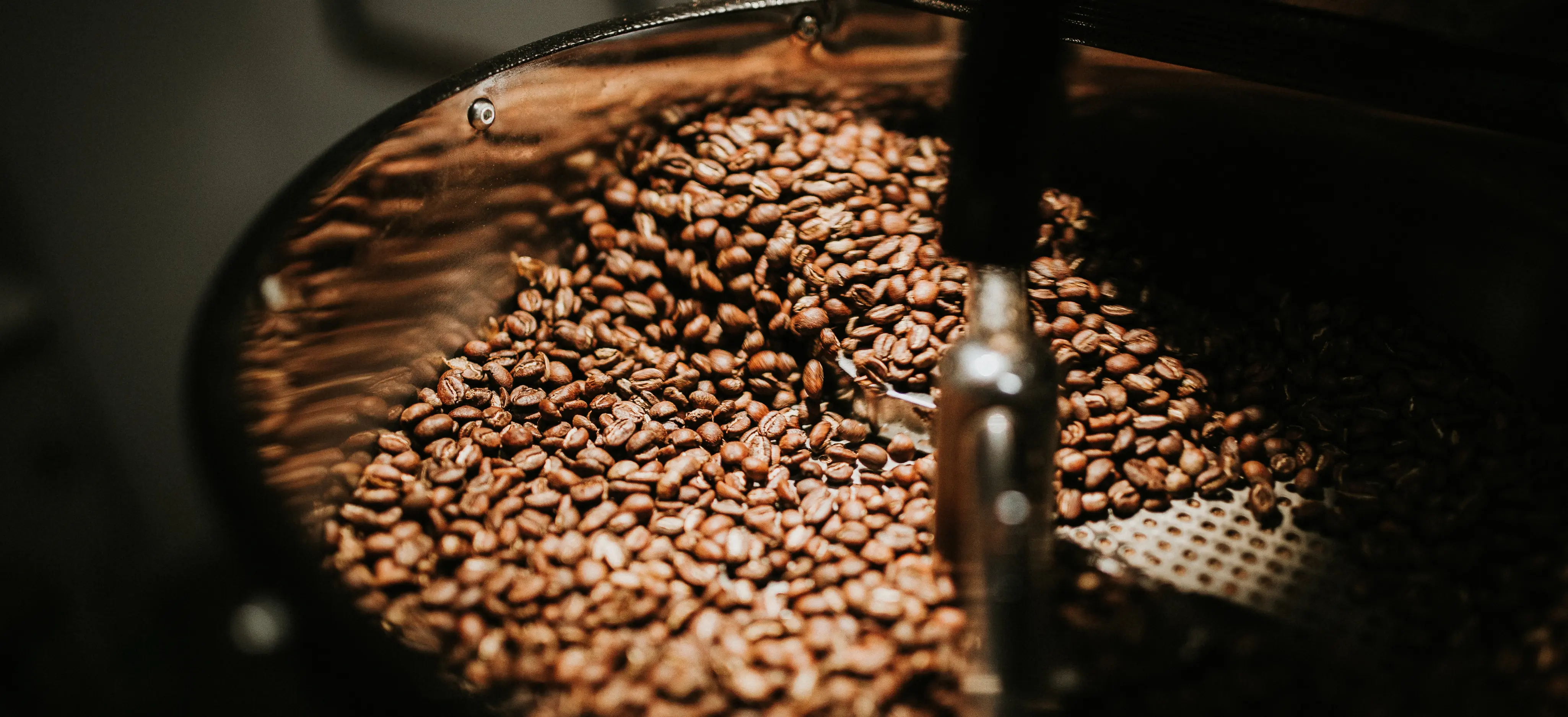
Once coffee beans are roasted, they immediately begin a natural aging process. During this time, the compounds responsible for aroma and flavor gradually break down.
The result is that freshly roasted coffee tends to produce a more vibrant and complex cup compared to coffee that has been sitting for extended periods of time.

Why Fresh Coffee Tastes Better
Fresh coffee contains a higher concentration of aromatic oils and volatile compounds that contribute to flavor.
These compounds produce the characteristics many people associate with great coffee, including:
- rich aroma
- balanced sweetness
- bright acidity
- complex flavor notes
As coffee ages, these compounds slowly dissipate, which can cause the coffee to taste dull or flat.
The Role of Degassing
After roasting, coffee beans release carbon dioxide in a process known as degassing. This is a natural part of the roasting cycle and occurs most rapidly in the first few days after roasting.
Degassing is important because it affects how coffee extracts during brewing.
Coffee that is extremely fresh may produce excessive gas during brewing, which can interfere with proper extraction. This is why many roasters recommend allowing coffee to rest for a short period after roasting before brewing.
Whole Bean vs Pre-Ground Coffee
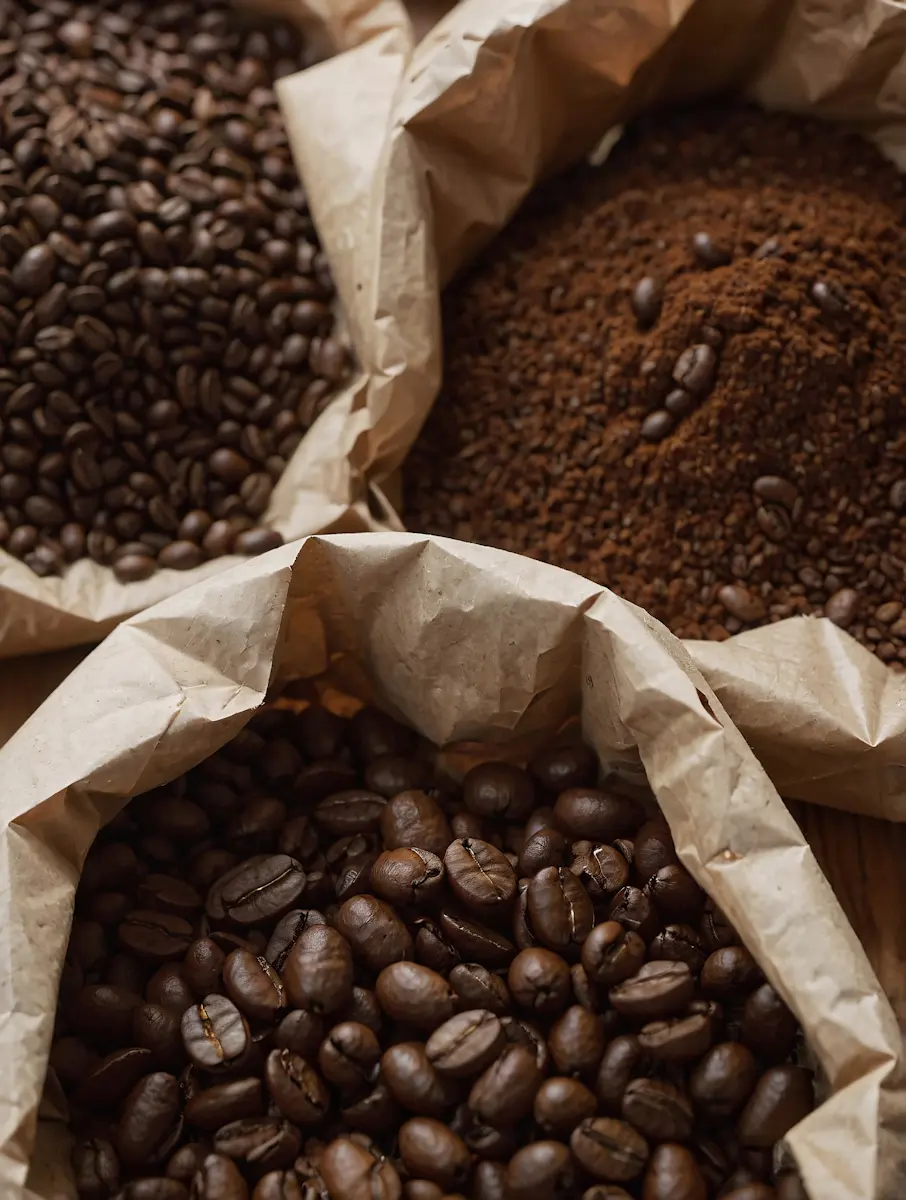
Grinding coffee significantly increases the surface area of the beans, which accelerates the loss of aromatic compounds.
Because of this, pre-ground coffee tends to lose freshness much faster than whole bean coffee.
Grinding beans immediately before brewing helps preserve flavor and allows more control over grind size for different brewing methods.
How Storage Affects Freshness
Even high-quality coffee can lose its flavor if it is not stored properly.
To help maintain freshness, coffee should typically be stored:
- in an airtight container
- away from heat and light
- in a cool, dry environment
Limiting exposure to oxygen is one of the most effective ways to preserve the flavor of roasted coffee beans.
Why Small-Batch Roasting Matters
Small-batch roasting allows roasters to maintain better control over quality and freshness.
Instead of producing large quantities of coffee months in advance, small-batch roasting focuses on producing smaller volumes more frequently. This approach helps ensure that coffee reaches customers closer to the roasting date.
For many coffee enthusiasts, freshness is one of the defining characteristics of specialty coffee.
Fresh Coffee and Brewing Quality
Fresh beans not only taste better, but they also behave more consistently during brewing.
Balanced extraction leads to a smoother, more flavorful cup whether the coffee is brewed using:
- drip coffee makers
- pour-over systems
- French press
- espresso machines
Starting with fresh coffee gives every brewing method a stronger foundation.
Coffee freshness plays a major role in determining flavor, aroma, and brewing performance. From roasting to storage, every stage influences how the final cup tastes.
Choosing freshly roasted coffee and storing it properly helps preserve the characteristics that make great coffee enjoyable.
Experience the difference fresh roasted coffee makes.