Why Some Coffee Is Called Specialty (and Most Isn't)
Go beyond the buzzword. Master Roaster Brad Kirby breaks down what "specialty coffee" actually means from farm to roast, and how the industry standard is evolving today.


Specialty Is a Quality System, Not a Decorative Word
The word "specialty" appears on bags, menus, websites, and café walls so often that it can start to feel like a generic style label. But in the roasting world, we use it differently.
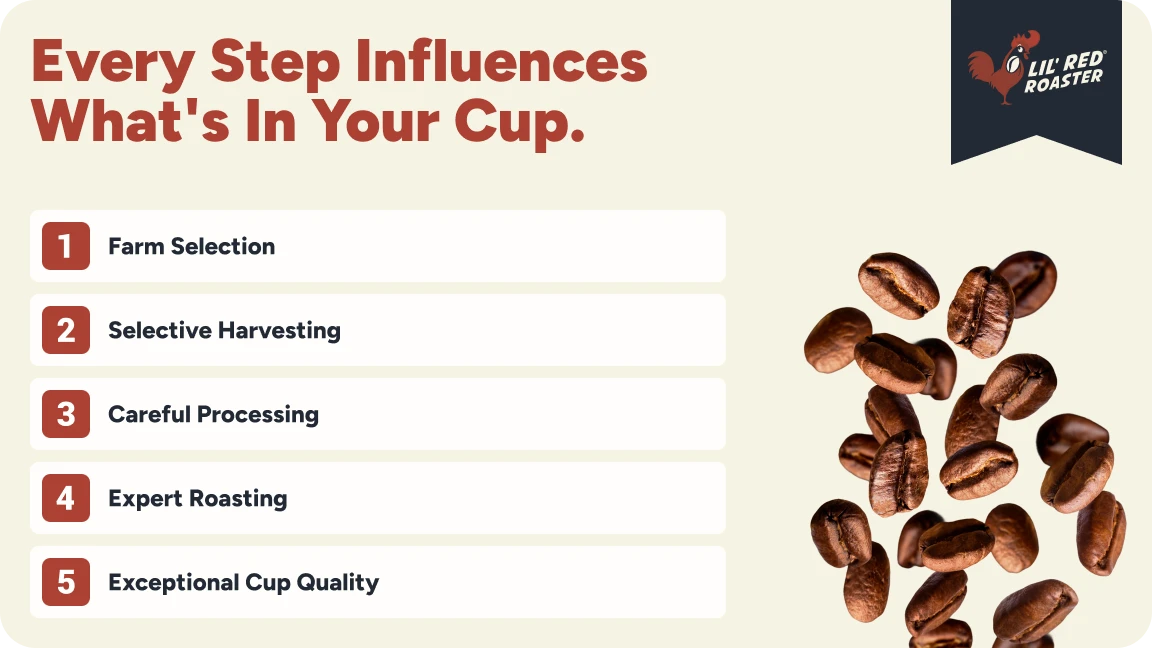
Specialty coffee is the result of aligned, highly intentional decisions across farming, harvest, processing, drying, storage, trading, roasting, brewing, and service. The word matters only when those decisions create a coffee with identifiable value that can be clearly explained and experienced in the cup.
How the Definition Has Evolved
For many years, the industry shorthand was simple: a coffee scoring 80 points or higher on a 100-point cupping scale was called "specialty." That threshold helped create a common commercial language, but it also encouraged people to treat a single score as the whole story.
Today, the Specialty Coffee Association (SCA) has moved toward the Coffee Value Assessment, a framework that separates physical, descriptive, affective, and extrinsic attributes. This change reflects a more useful truth: coffee value is not just one number.
The current framework asks several distinct questions: Is the coffee physically sound? What sensory attributes are present? How much does a particular audience actually like the coffee? What origin, variety, processing, or sustainability information affects its value? Separating these questions reduces the temptation to make one score carry more meaning than it can support.
A coffee can be technically clean and highly expressive, yet appeal differently to different drinkers. Another coffee may offer broad, chocolatey comfort rather than unusual fruity intensity. Both can create specialty value when the physical quality is strong, the attributes are understood, and the product is honestly matched to the customer and brew method.
Physical Quality Comes Before Flavor Language
Before anyone talks about jasmine, citrus, chocolate, or berry notes, the coffee has to survive physical evaluation. Green coffee condition, defect count, moisture, size distribution, and storage stability all dictate whether a lot can support a dependable product.
This matters deeply at Lil Red Roaster because roasting is a transformation process, not a repair shop. Heat can develop aroma, sweetness, acidity, and body from compounds already present in the bean. It cannot reverse careless harvesting, uncontrolled drying, severe defects, or damage accumulated in shipping. A roaster simply cannot roast quality into a coffee that never had the physical foundation to support it.
Growing Conditions and Harvest Discipline Shape the Potential
Coffee is agricultural. Variety, altitude, soil, shade, rainfall, temperature, and farm management influence how the cherry develops. Harvest decisions matter just as much.
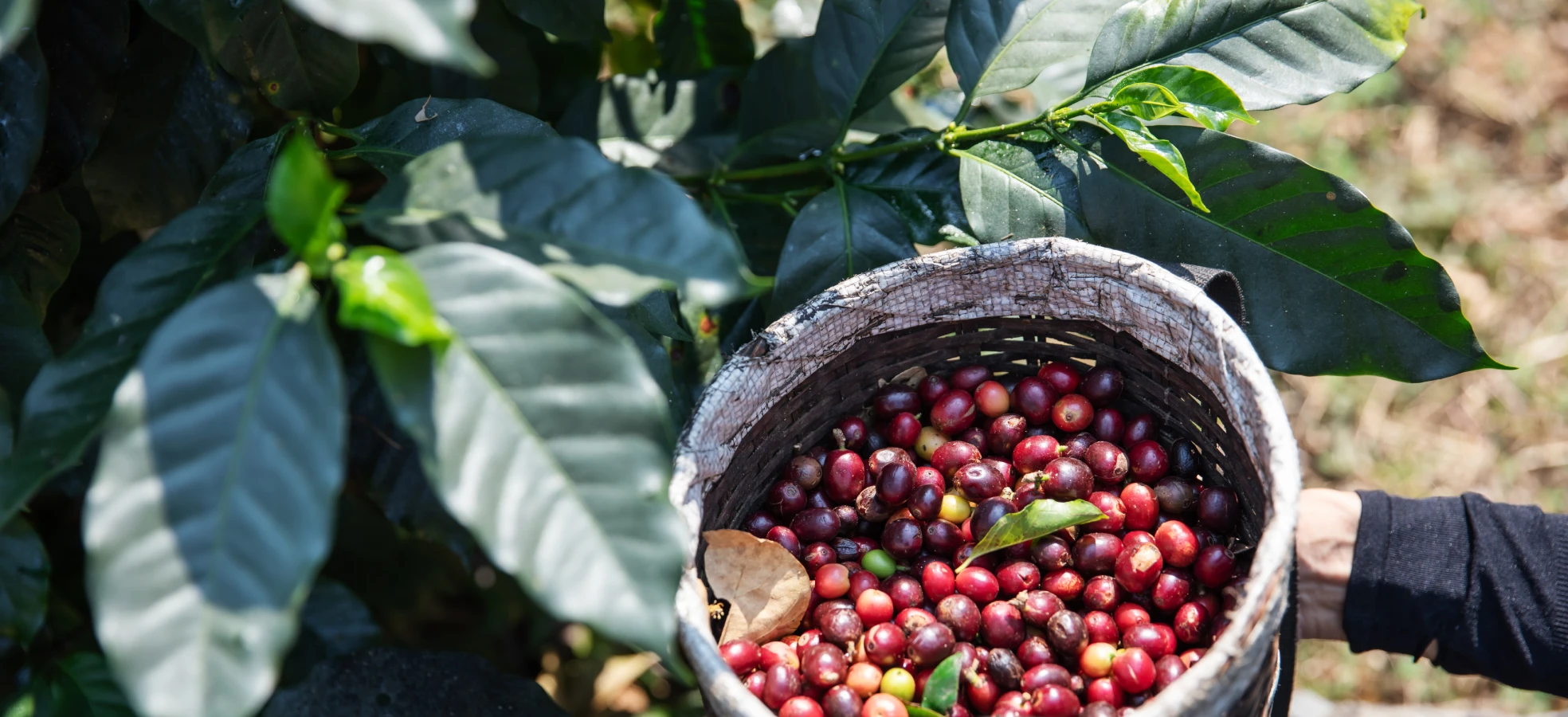
High-quality selective picking requires workers to return to the same trees multiple times as cherries ripen, choosing only fruit that is perfectly ready rather than stripping the entire branch at once. Post-harvest processing (washed, honey, natural, or controlled fermentation) then determines how the seed is separated from the fruit and dried. No single method is automatically superior; quality depends entirely on execution.
Traceability Is Evidence, Not Romance
Origin storytelling can be compelling, but traceability is more than a beautiful photograph and a farm name. It provides the evidence for how the coffee was produced, processed, prepared, and traded.
For you as a coffee drinker, traceability turns a generic product into a specific one. It offers an honest answer to the question, “Why does this coffee taste the way it does?” For us as roasters, it allows us to compare harvests, communicate changes, and build long-term relationships with farmers that improve decision-making year over year.
The Roaster Can Protect Specialty Quality or Destroy It
I am always direct about the roaster’s role: a roaster cannot create a specialty coffee from weak green material, but a roaster can absolutely erase the hard work that created an exceptional lot.
Too much heat, too little development, poor airflow management, or a profile that ignores the intended brew method can flatten sweetness and clarity or produce harshness. At Lil Red, we approach roasting as translation. The farm creates the potential; our roast profile decides how that potential becomes available in your cup. The goal is never to force every coffee into the same "house taste," but to make each coffee legible, balanced, and highly enjoyable.
What Specialty Means for Your Morning Cup
When you buy coffee online for your home, the word "specialty" should reduce your uncertainty. It means our product descriptions are tied to real evaluations, the coffee was selected with traceable context, the roast date is managed intentionally, and the tasting notes describe the natural coffee seed rather than artificial flavor additives.
It means we can recommend a specific bag based on whether you brew espresso, pour-over, or French press, helping you make a confident choice rather than guessing.
What Specialty Means for Cafes and Offices
For an office, café, restaurant, or hotel, specialty coffee strengthens the exact experience the organization is trying to deliver. A wholesale buyer gains a product with a defensible quality story, complete traceability, and access to a roaster who can explain preparation and performance. Specialty is valuable when it helps your staff serve a better cup consistently and clearly communicate to your customers why it is better.
How We Apply the Standard at Lil Red
We make this standard visible throughout your buying journey. Our product pages identify origin and process, describe the cup in plain language, and explain the best brew methods for optimal performance. We clearly distinguish between coffees chosen for expressive, single-origin pour-overs and those engineered for heavy, daily espresso use.
The standard continues after you check out. Fresh production, protective packaging, recipe support, and responsive customer education determine whether the coffee actually creates the value we promised. Specialty is an operating commitment, not a badge. The word only has credibility when your full experience supports it.
Find a Specialty Coffee That Fits Your Cup:
Explore Lil Red Roaster’s coffees by flavor, roast, and brewing style, and choose the one that matches how you like to drink coffee. Shop Lil Red Coffee
Wholesale Inquiries:
Elevate your menu with traceable, high-performance specialty coffee. Contact Lil Red Roaster for a program review.