Small-Batch Coffee vs Mass Roasting: Why Scale Changes Flavor
Learn how small-batch coffee roasting compares to mass roasting—and why scale impacts flavor, aroma, and consistency in every cup.


Small-Batch Coffee vs Mass Roasting: Why Scale Changes the Flavor
Most people assume great coffee starts and ends with the beans. Origin, altitude, and varietal all matter—but how coffee is roasted, and at what scale, has an equally powerful impact on flavor.
Small-batch coffee roasting and mass roasting follow very different philosophies. One prioritizes control and precision. The other prioritizes volume and consistency across millions of cups. Understanding the difference explains why small-batch coffee often tastes cleaner, brighter, and more expressive in the cup.
What Is Small-Batch Coffee Roasting?
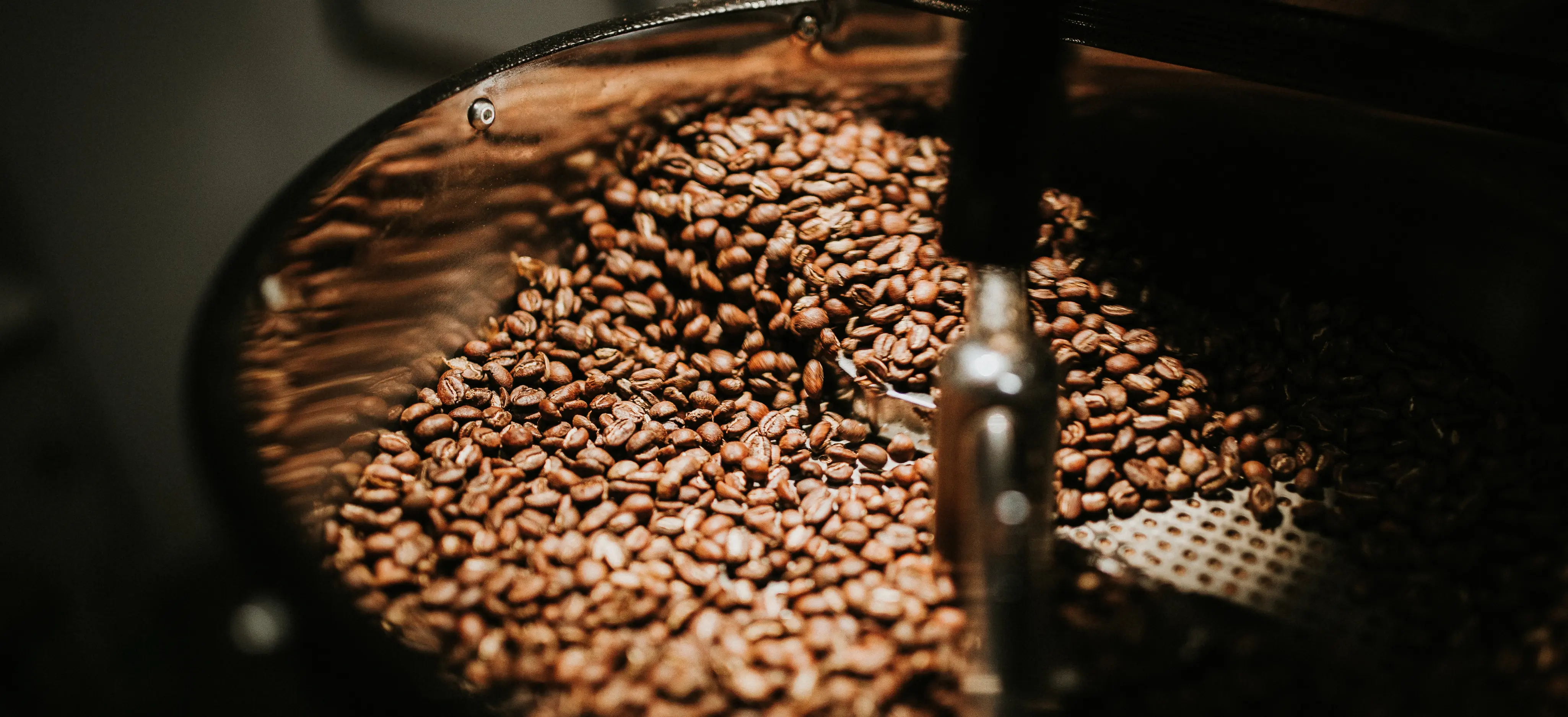
Small-batch coffee roasting refers to roasting limited quantities of coffee at a time so each batch can be monitored, adjusted, and handled individually.
In a small-batch process:
- Roast profiles are adjusted based on bean density and moisture
- Roasters can respond in real time to how beans behave in the drum
- Each batch is evaluated before moving to the next step
- Coffee is typically roasted closer to when it will be brewed
This approach favors quality over volume, allowing roasters to bring out the unique characteristics of each coffee rather than forcing uniformity.
How Mass Coffee Roasting Works
Mass roasting is designed for scale. Large commercial roasters process enormous quantities of coffee to meet global demand.
In mass roasting:
- Roast profiles are standardized to maintain consistency
- Beans are roasted in large volumes at high throughput
- Adjustments during the roast are limited
- Coffee is often roasted weeks or months before it’s consumed
The goal isn’t nuance—it’s predictability. While this ensures the coffee tastes the same every time, it often sacrifices subtle flavors and freshness along the way.
Why Scale Directly Affects Flavor
Roasting coffee is a balancing act of time, temperature, and airflow. As batch sizes increase, that balance becomes harder to control.
Small-batch roasting allows:
- More even heat distribution
- Better control of development time
- Fewer baked or scorched flavors
- Greater clarity in tasting notes
Mass roasting, by contrast, prioritizes consistency over expression. To avoid defects at scale, roasts are often pushed toward safer, more muted profiles—reducing brightness, complexity, and aroma.
Freshness: The Overlooked Difference
Small-batch coffee is typically roasted closer to when it’s sold. Mass-roasted coffee must be roasted far in advance to account for packaging, shipping, and shelf time.
That time gap matters.
After roasting, coffee begins to:
- Lose aromatic compounds
- Oxidize when exposed to air
- Flatten in flavor over time
Even the best beans can’t overcome staleness. Small-batch roasting minimizes this gap, preserving the flavors intended by the roaster.
Control vs Consistency
Neither approach is inherently “wrong”—they serve different goals.
Small-Batch Roasting
- Prioritizes flavor and craftsmanship
- Allows for experimentation and refinement
- Highlights origin and roast characteristics
- Accepts slight variation as part of quality
Mass Roasting
- Prioritizes uniformity and scale
- Minimizes variation between batches
- Sacrifices nuance for repeatability
- Designed for wide distribution
For drinkers who care about how coffee actually tastes, control tends to matter more than consistency alone.
Why Small-Batch Coffee Tastes More Distinct
Flavor clarity comes from precision. When roasters can adjust for small differences in each batch, they’re able to bring out:
- Brighter acidity in lighter roasts
- Smoother sweetness in medium roasts
- Cleaner finishes in darker roasts
Mass roasting often smooths out these distinctions to avoid variability, resulting in coffee that tastes “fine” but rarely memorable.
How Lil Red Roaster Approaches Small-Batch Roasting
At Lil Red Roaster, coffee is roasted in small batches so each roast can be:
- Monitored throughout the roast cycle
- Adjusted based on real-time performance
- Inspected during bagging
- Approved before it reaches customers
This hands-on approach ensures each bag reflects intention—not just output. The goal isn’t to roast more coffee. It’s to roast better coffee.
Choosing Small-Batch Coffee for Your Routine
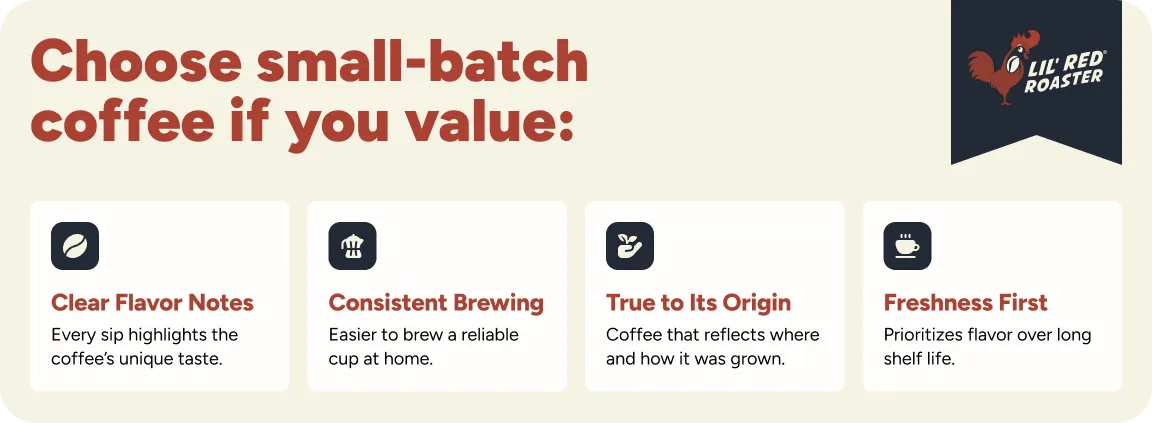
If you value:
- Clear flavor notes
- Better brewing consistency at home
- Coffee that reflects its origin and roast
- Freshness over shelf life
Then small-batch coffee offers a noticeably better experience.
It’s not about chasing perfection—it’s about respecting the process enough to let the coffee speak for itself.
Flavor Starts With How Coffee Is Roasted
Beans matter. Origin matters. But scale changes everything.
Small-batch roasting preserves the nuances that make coffee worth brewing thoughtfully. Mass roasting prioritizes efficiency and uniformity. Understanding the difference helps explain why one cup feels expressive and alive—while another simply fills the mug.
Great coffee isn’t just grown well.
It’s roasted with care, attention, and intention.