Is Organic Coffee Worth It? 2026 Guide to Organic & Fair Trade Beans
Discover the benefits of organic and fair-trade coffee, why it tastes better, and how to choose sustainable beans. Explore Lil Red Roaster’s organic offerings.

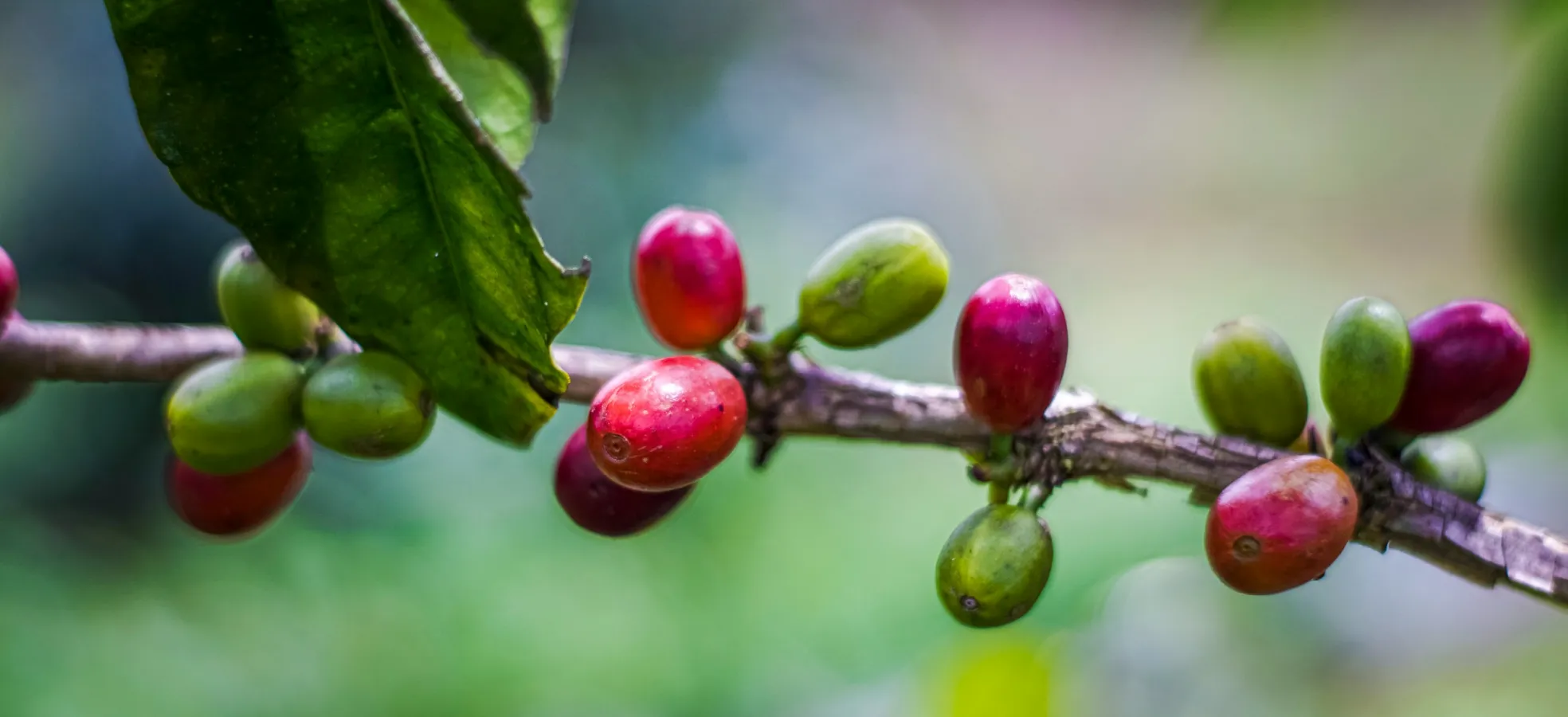

As more consumers become conscious of what they drink, organic and fair-trade coffee has surged in popularity. But is organic coffee really better? Is it worth the price? And how does it compare to conventional coffee?
Here’s what you need to know — plus how Lil Red Roaster’s organic lineup delivers exceptional quality without compromising flavor.
What Makes Coffee “Organic”?
Organic coffee is grown without synthetic pesticides, herbicides, or fertilizers. This leads to:
- Cleaner, more natural flavor
- Support for healthier soil
- Better environmental sustainability
- Safer conditions for farmers
When paired with fair-trade certification, it also ensures ethical sourcing and fair compensation.
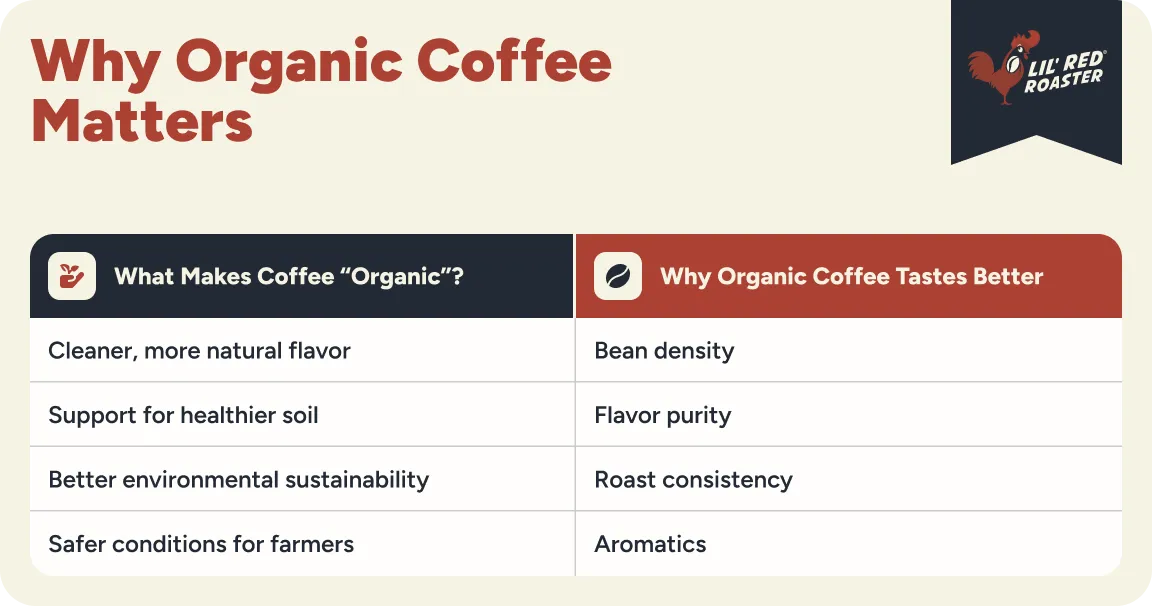
Why Organic Coffee Tastes Better
Organic growing methods improve:
- Bean density
- Flavor purity
- Roast consistency
- Aromatics
Lil Red Roaster’s organic beans often come from high-elevation farms where quality is naturally higher.
Fair Trade: What It Really Means
Fair-trade beans ensure:
- Ethical wages
- Community development
- Sustainable farming programs
- Direct-trade relationships
It’s coffee that does good - and tastes good.
When Should You Choose Organic?
Choose organic if you value:
- Clean, chemical-free flavor
- Sustainability
- Support for responsible farms
- Traceable, transparent sourcing
Lil Red Roaster offers several organic and sustainably sourced beans perfect for daily brewing.
Organic coffee makes an excellent guilt-free gift. It’s thoughtful, high-quality, and aligns with values around sustainability - perfect for eco-conscious friends, coworkers, or family members.