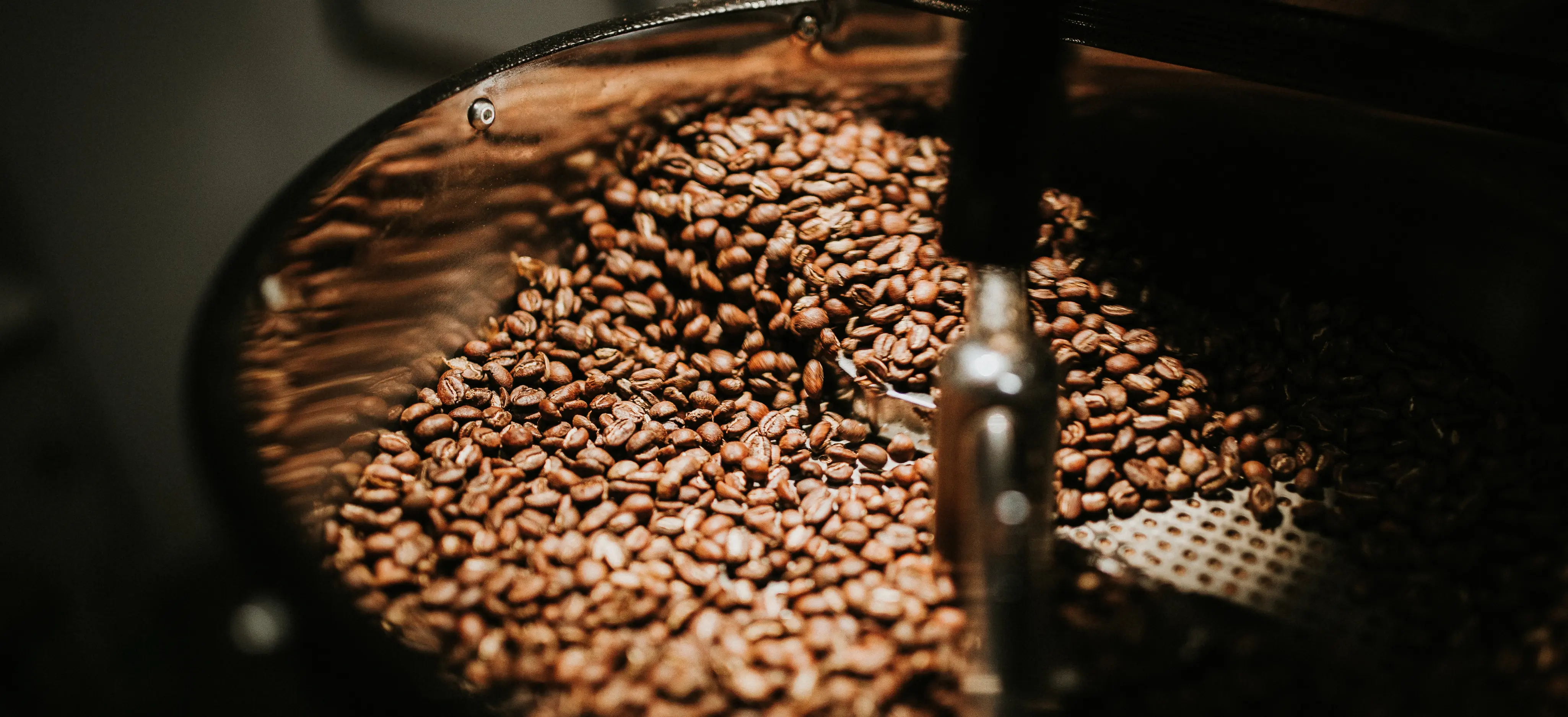
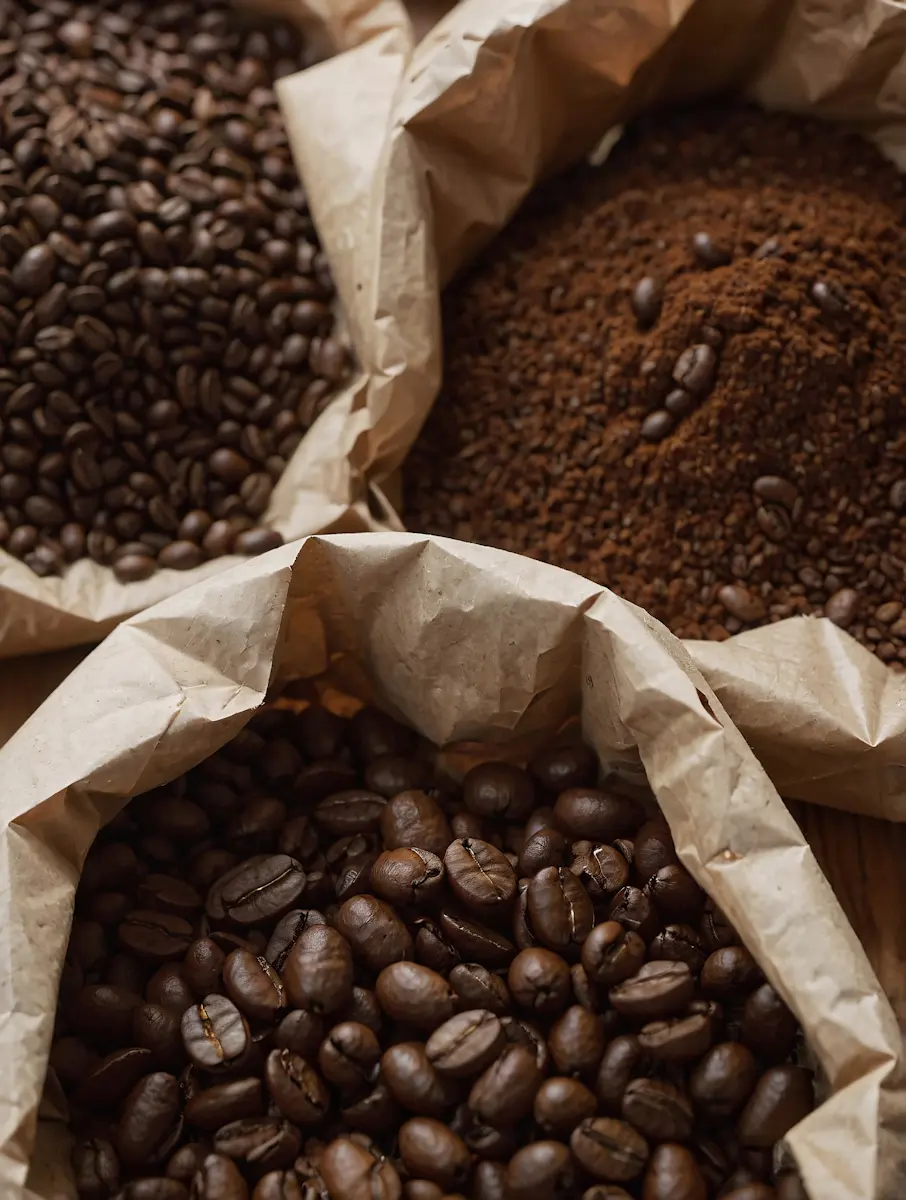
Green Coffee Moisture and Density: The Hidden Inputs Behind Better Roast Decisions
Discover the hidden science of coffee roasting. Learn how green coffee moisture, density, and bean size guide our roasting decisions to create a perfect cup.


Roasting Starts With the Green Coffee in Front of You
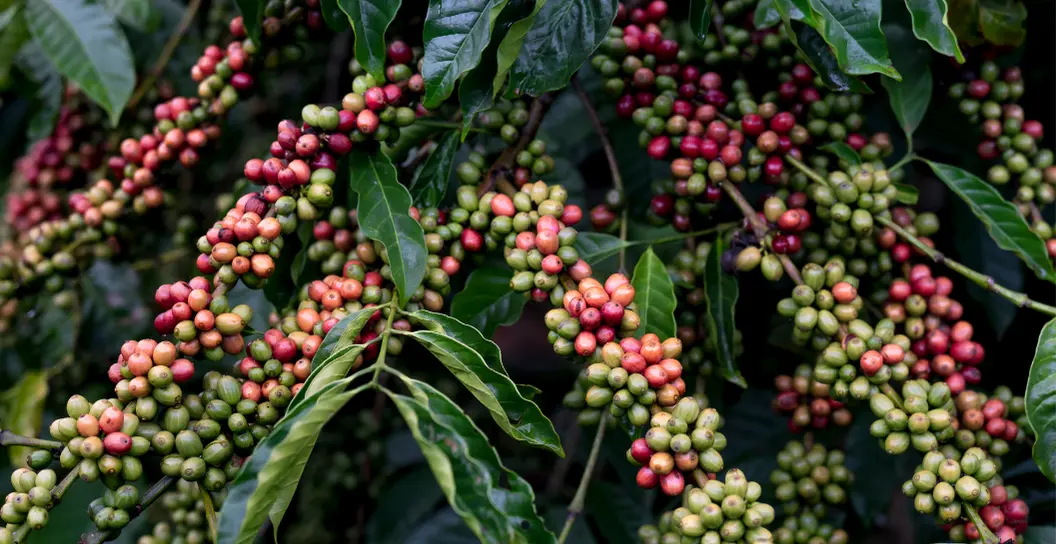
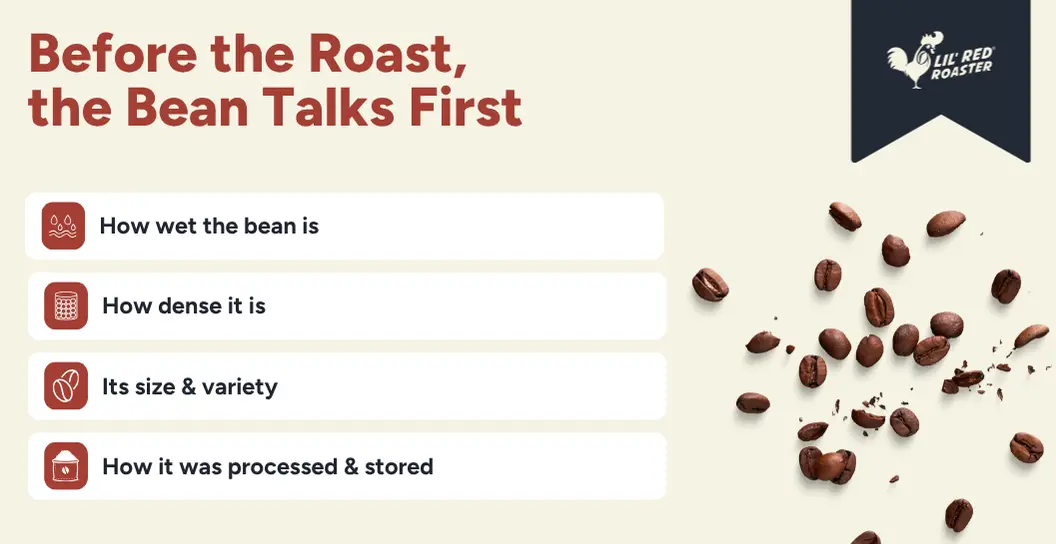
A roast profile cannot be separated from the physical coffee entering the machine. Two coffees can share an origin or even a farm and still respond differently because of moisture, density, bean size, variety, processing, age, and storage. A profile that worked last season is a reference, not a command.
Green coffee moisture and density give the roaster early information about how the batch may accept energy. They help shape the starting plan for charge temperature, heat application, airflow, and the pace of the roast. The measurements do not replace experience or tasting, but they reduce blind decisions.
Moisture Reflects Drying and Storage Condition
Coffee must be dried after processing so it can be stored and transported without rapid deterioration. The remaining moisture affects weight, stability, and roast behavior. Coffee that is unusually high in moisture may require more energy to move through the early roast. Coffee that is very dry may heat quickly and become more vulnerable to surface damage or accelerated development.
Moisture also tells part of the history. It can signal how the coffee was dried, how it was stored, and whether conditions may have changed in transit. One measurement does not diagnose the entire lot, but it gives the roaster a reason to look more closely.
Density Describes Physical Structure
Density is influenced by variety, growing conditions, altitude, seed development, and processing. Denser coffee generally contains more mass within a given volume and may accept heat differently from a softer bean. It often requires enough early energy to move the roast forward without creating a slow, baked profile.
Softer or lower density coffee may need a gentler approach so the exterior does not race ahead of the interior. These are directional principles, not fixed rules. A skilled roaster watches the actual response of the batch and adjusts from evidence rather than category assumptions.
Bean Size and Uniformity Affect Heat Transfer
Large and small beans do not heat identically. A lot with wide size variation can create uneven development if the roast approach does not account for it. Screen size and visual uniformity therefore add context to moisture and density. The more physically consistent the lot, the easier it is to produce an even result at scale.
This is one reason physical preparation matters in specialty coffee. Sorting, defect removal, and lot separation protect the roast from carrying too many conflicting inputs at once. The roaster still has work to do, but the green coffee is giving that work a more stable foundation.
Early Heat Application Creates the Foundation
The beginning of the roast is where the coffee absorbs energy and begins losing water. If the batch receives too little energy, the roast can stall and develop flat, cereal like, or baked character. If it receives too much, the exterior can scorch or tip before the interior develops. Moisture and density help the roaster choose a more intelligent starting point.
Airflow also matters because it influences heat transfer, smoke removal, and the environment around the beans. Brad’s roasting approach uses moisture and size as clues for how much heat to apply early and when to begin reducing input to protect sweetness and clarity. That is the practical connection between physical measurement and flavor.
The Roast Curve Is Evidence, Not the Goal
Roasting software can record temperature, rate of rise, gas changes, airflow, and event timing. Those records are valuable because they allow batches to be compared and repeated. The graph, however, is not the product. A visually smooth curve can still produce a poor cup, and an unusual curve can sometimes fit a particular coffee well.
The roaster uses data to understand cause and effect. The cupping table decides whether the decision worked. Moisture and density inform the hypothesis, the roast record documents the execution, and sensory evaluation validates the result.
Why Crop Changes Require Profile Changes
New crop coffee may arrive with different moisture, density, size, or intensity than the previous harvest. Reusing the old profile without evaluation can create inconsistency even when the product name stays the same. The more responsible approach is to compare the physical coffee, sample roast it, cup it, and adjust the production profile before the account or customer notices a problem.
This is not an inconsistency. It is active consistency management. The goal is to protect the intended product experience while respecting the real coffee that arrived.
Why Buyers Should Care About Hidden Inputs
Most customers never need to own a moisture meter or calculate density. They should still care whether the roaster understands those inputs. Physical evaluation is one signal that quality control begins before the bag is printed. It shows that the roaster is managing agriculture and production together.
For wholesale buyers, the benefit is reduced surprise. For e-commerce customers, it is confidence that the roast was built for the actual lot. In both cases, the invisible measurements support a more dependable cup.
How Physical Data Supports More Consistent Coffee
Moisture and density are useful before roasting and before a purchase is finalized. A lot that arrives outside the expected condition may require further review, revised storage planning, or a different roast approach. Comparing samples over time can reveal whether green coffee is aging or taking on moisture in storage. Those changes can affect both cup quality and production consistency.
Commercial buyers do not need the raw measurements in every sales conversation, but Lil Red maintains those records behind the scenes. When a wholesale customer reports that a coffee changed, the roastery can compare the current production lot with earlier data and sensory notes. That evidence speeds diagnosis and supports a more specific answer than “the coffee seems different.”
The same information improves planning. A coffee that requires a narrow roast window or shows faster aging may be assigned to a different use, purchased in a different quantity, or scheduled more carefully. Quality data becomes commercially useful when it changes a decision rather than remaining a number in a file.
Physical Measurements Need Sensory Context
Two coffees can share similar moisture and density and still taste very different. Variety, process, age, and chemical composition change the way the beans respond and the flavors they can produce. This is why physical data should never become a substitute for cupping. It explains part of the roast problem, not the entire coffee.
The strongest quality system keeps the data connected. Green measurements, sample roast notes, production curves, finished color, and sensory results should refer to the same lot. Over time, Brad and the Lil Red team can identify which signals reliably predict adjustments and which assumptions need to be challenged. That learning is one of the advantages of a disciplined roastery.
The Customer Does Not See the Number, but Tastes the Decision
Moisture and density may never appear on the front of a bag, yet they influence the energy, time, and airflow choices behind the roast. The customer experiences those choices as sweetness, clarity, body, balance, and consistency. Good technical work becomes valuable when it disappears into a better cup.
From Measurement to a Better Cup
That discipline is one more reason quality begins before roasting.
Frequently Asked Questions
Why does green coffee moisture matter?
Moisture affects how the bean absorbs energy, releases water, and moves through early roast stages. It also provides information about drying and storage conditions.
Why does density matter?
Density can reflect variety, altitude, development, and physical structure. Denser coffees often respond differently to heat than softer coffees, so the roaster may adjust energy and airflow.
Can moisture and density determine the roast profile by themselves?
No. They inform the starting plan. Sample roasting, sensory evaluation, batch data, and production results are still required.
Why should a wholesale buyer care?
A roaster who measures and responds to green coffee conditions is more likely to manage crop changes deliberately and protect consistency across the account.
Sources & Further Reading
Specialty Coffee Association. Coffee Value Assessment.
Taste the Decisions Behind the Roast
Explore coffee roasted for the physical character of each lot and experience how careful measurement becomes sweetness, balance, and consistency in the cup.