How Coffee Grind Size Impacts Flavor: A Complete Guide for Better Brewing at Home
Grind size is one of the most important, but overlooked, factors in brewing great coffee. This guide explains how grind size affects flavor, extraction, and the perfect brew for every method.


Grind Size Is the Secret Behind Great Coffee
Even with high-quality beans and a great brewer, your coffee can still taste sour, bitter, or flat if the grind size is off.
Grind size controls:
- Extraction
- Strength
- Flavor balance
- Aroma
- Brew consistency
For small-batch, specialty roasters like Lil Red Roaster, grind size is especially important because the beans carry distinct flavor notes, from honey and citrus to chocolate and toasted nuts.
If you want to taste each roast the way it was intended, this guide is for you.
1. Why Grind Size Matters
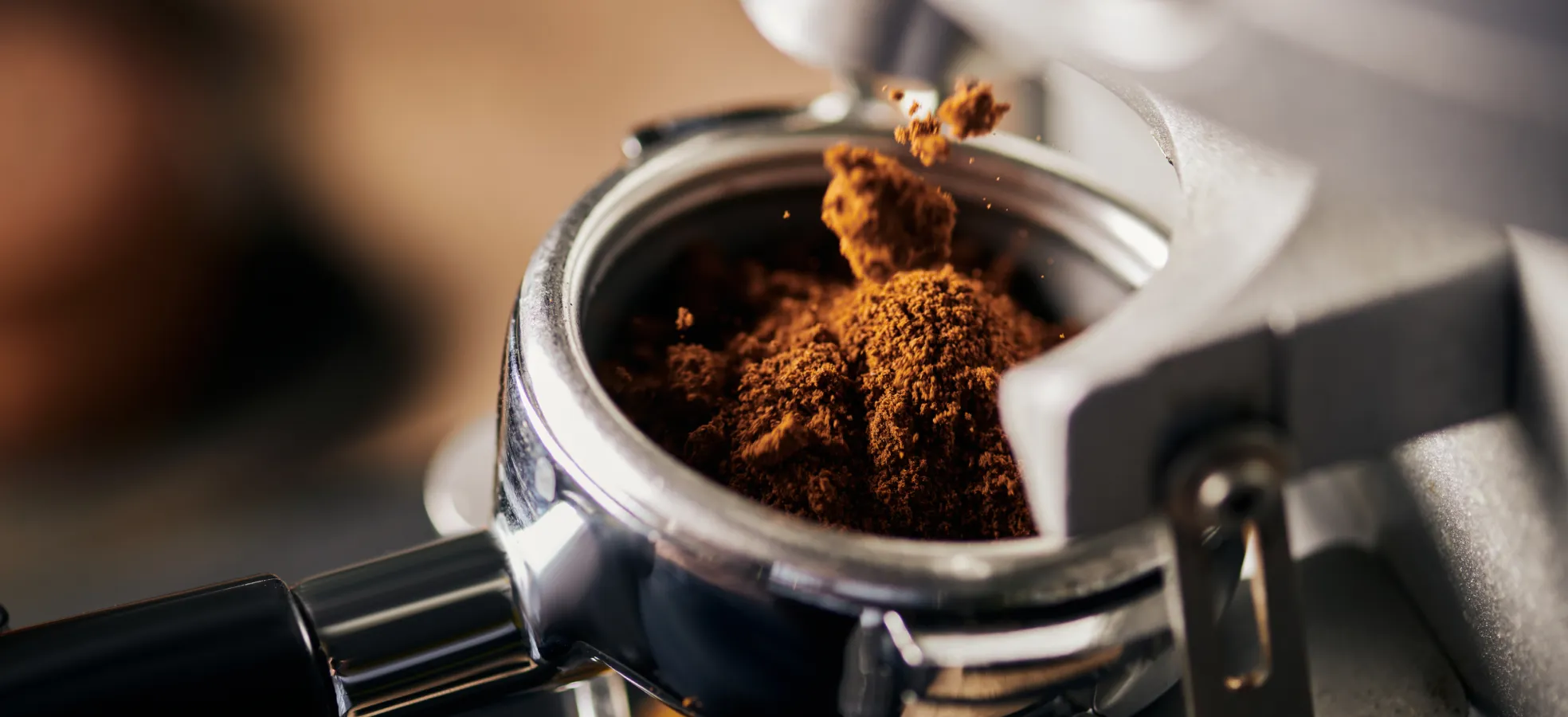
Coffee brewing is all about extraction, how much flavor is pulled from the grounds.
- Too coarse = under-extracted (sour, weak, acidic)
- Too fine = over-extracted (bitter, harsh, muddy)
The right grind size gives you:
✔ Balance
✔ Sweetness
✔ Clarity
✔ Aroma
✔ Full flavor expression
Your grinder may be the most important tool in your coffee setup.
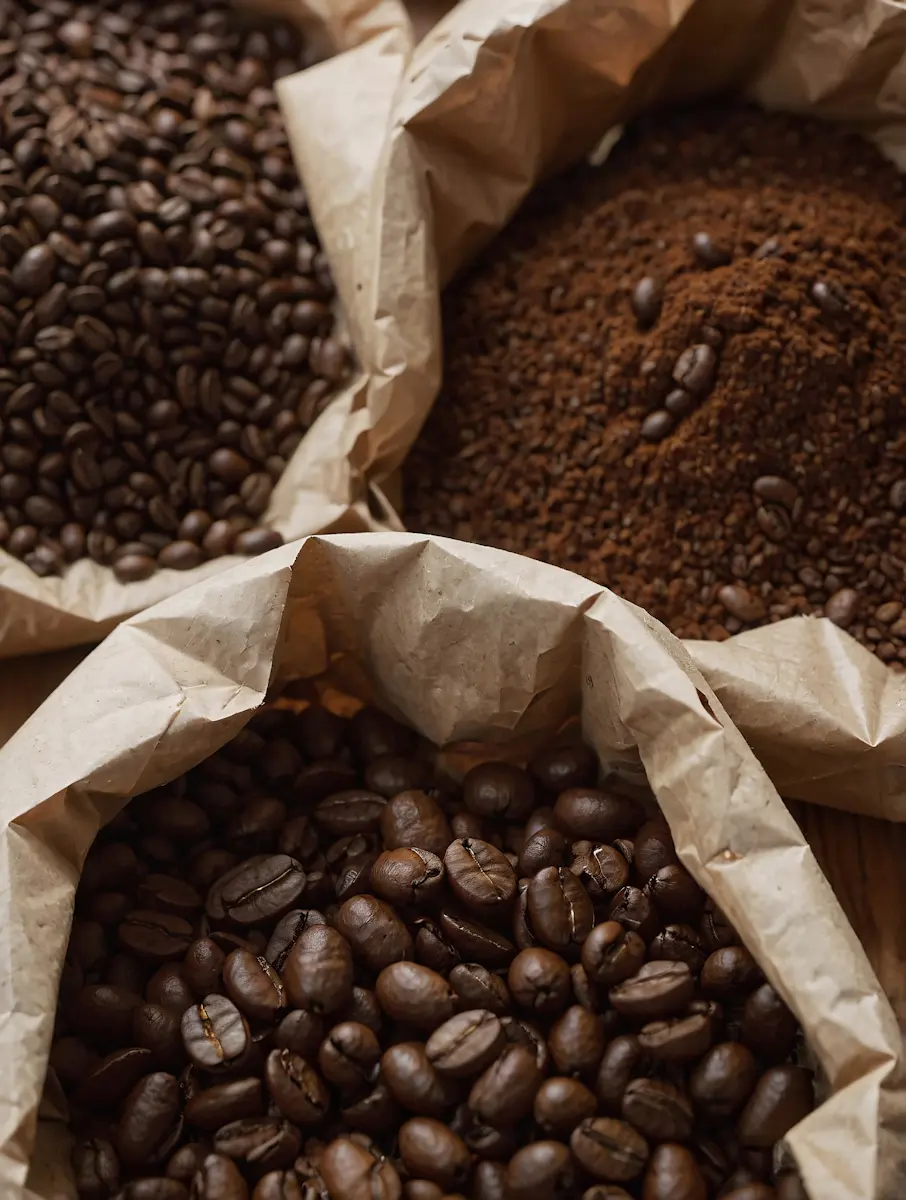
2. The Grind Size Chart (Quick Reference)
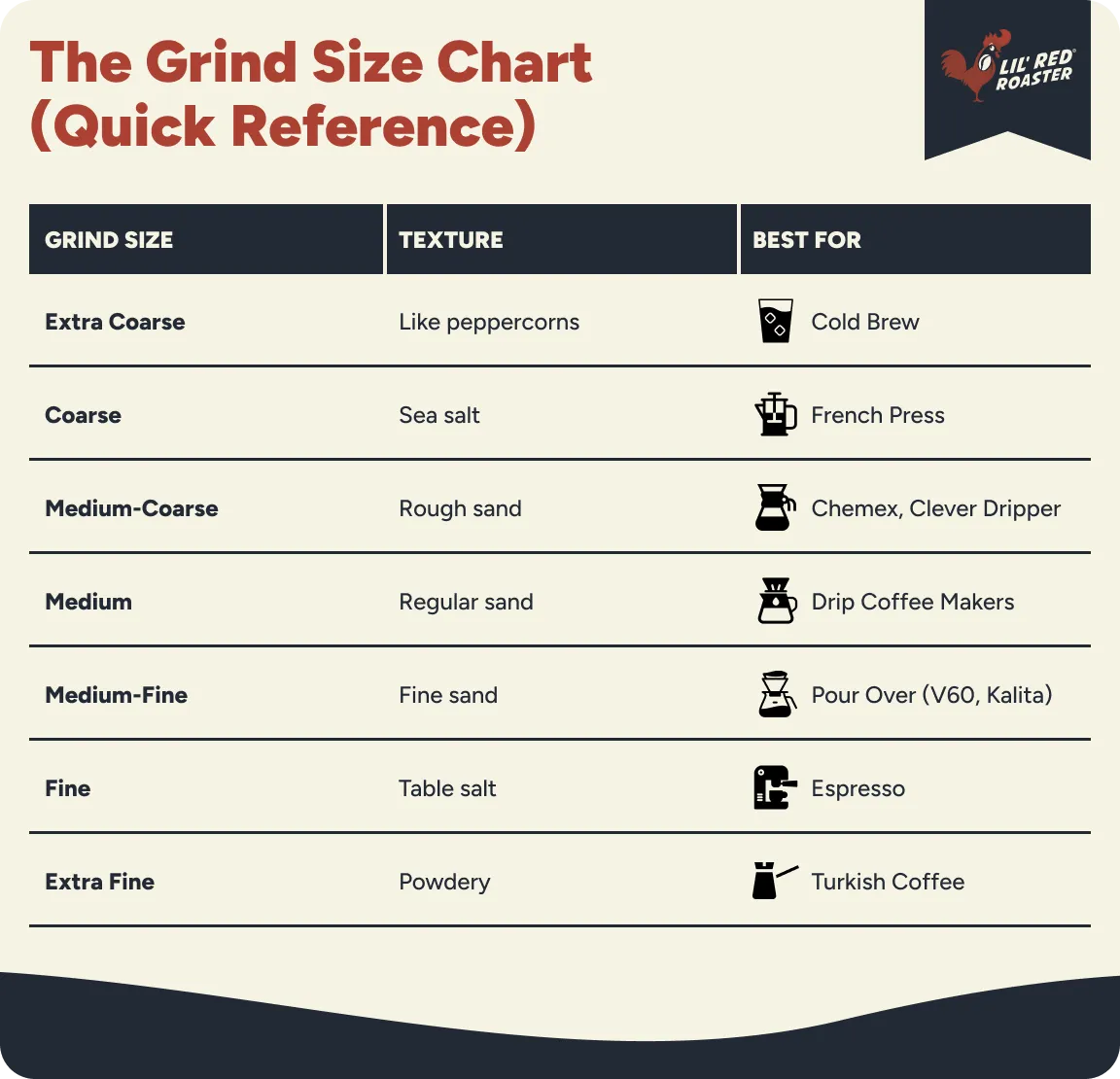
3. Grind Size by Brewing Method
Cold Brew – Extra Coarse
Cold water extracts slowly. A large grind prevents bitterness and produces a smooth, sweet brew.
French Press – Coarse
Too fine = sludge. Coarse grinds allow clean extraction and easier plunging.
Chemex – Medium-Coarse
The thicker filter benefits from a slightly more open grind for proper flow rate.
Drip Coffee Makers – Medium
Perfect for automatic brewers and consistency.
Pour Over (V60 / Kalita Wave) – Medium-Fine
This grind helps control flow speed and flavor clarity.
Espresso – Fine
Espresso relies on pressure, fine grind = correct resistance.
Turkish – Extra Fine
Ultra-fine powder yields strong, traditional, concentrated coffee.
4. How Grind Size Impacts Flavor
1. Sourness (Under-Extraction)
If your coffee tastes sharp or sour:
- Grind finer to increase extraction.
2. Bitterness (Over-Extraction)
If your coffee tastes harsh or burnt:
- Grind coarser to decrease extraction.
3. Weak or Watery Coffee
Often caused by:
- Too coarse a grind
- Too little coffee
- Too fast a brew
4. Muddy or Silty Coffee
Often caused by:
- Too fine a grind in immersion brewers (French press)
Adjust grind size FIRST before changing anything else.
5. Tips for Perfecting Your Grind
✔ Use a Burr Grinder (Not Blade)
Burr grinders produce even particle size → more balanced flavor.
Blade grinders chop unevenly → bitter + sour mix.
✔ Grind Fresh Before Brewing
Fresh grinding preserves aromatics.
✔ Adjust Based on Taste
Sour → finer
Bitter → coarser
✔ Pair Grind Size With Roast Level
- Light roasts = slightly finer
- Dark roasts = slightly coarser
6. Why Fresh, Small-Batch Coffee Makes the Grind Matter More
Lil Red Roaster’s coffees, Breakfast Blend, Eclipse Blend, Mexico 435, Nicaragua 70/30, and Decaf Honduras, are crafted to express:
- Distinct regional flavor notes
- Clean, balanced sweetness
- Aromatic complexity
- Smooth, consistent profiles
Fresh-roasted beans mean:
✔ More aromatics
✔ Better crema (espresso)
✔ Easier extraction
✔ True flavor expression
The right grind size helps you taste the difference.
Master Your Grind, Master Your Brew
Getting grind size right is one of the simplest ways to dramatically improve your coffee at home. Whether you brew with a French press, pour-over, espresso machine, or drip brewer, dialing in your grind will unlock the full flavor potential of your coffee, especially small-batch roasts from Lil Red Roaster.
Start experimenting with your grind today, and taste your coffee come to life.