What Grind Size Should You Use for Different Brew Methods?
Grind size dramatically affects coffee flavor. Learn which grind size works best for different brewing methods.


Grind Size Controls Extraction
Many people focus on coffee beans or brewing equipment when trying to improve their coffee.
One of the most important variables is often overlooked: grind size.
Grind size controls how quickly water extracts flavor from coffee grounds. If the grind is too fine or too coarse for the brewing method, the result can taste bitter, weak, or unbalanced.
Understanding how grind size interacts with brewing methods is one of the simplest ways to improve your coffee.
Why Grind Size Matters
When water passes through coffee grounds, it extracts oils, acids, and soluble compounds that create flavor.
Grind size determines how quickly this extraction occurs.
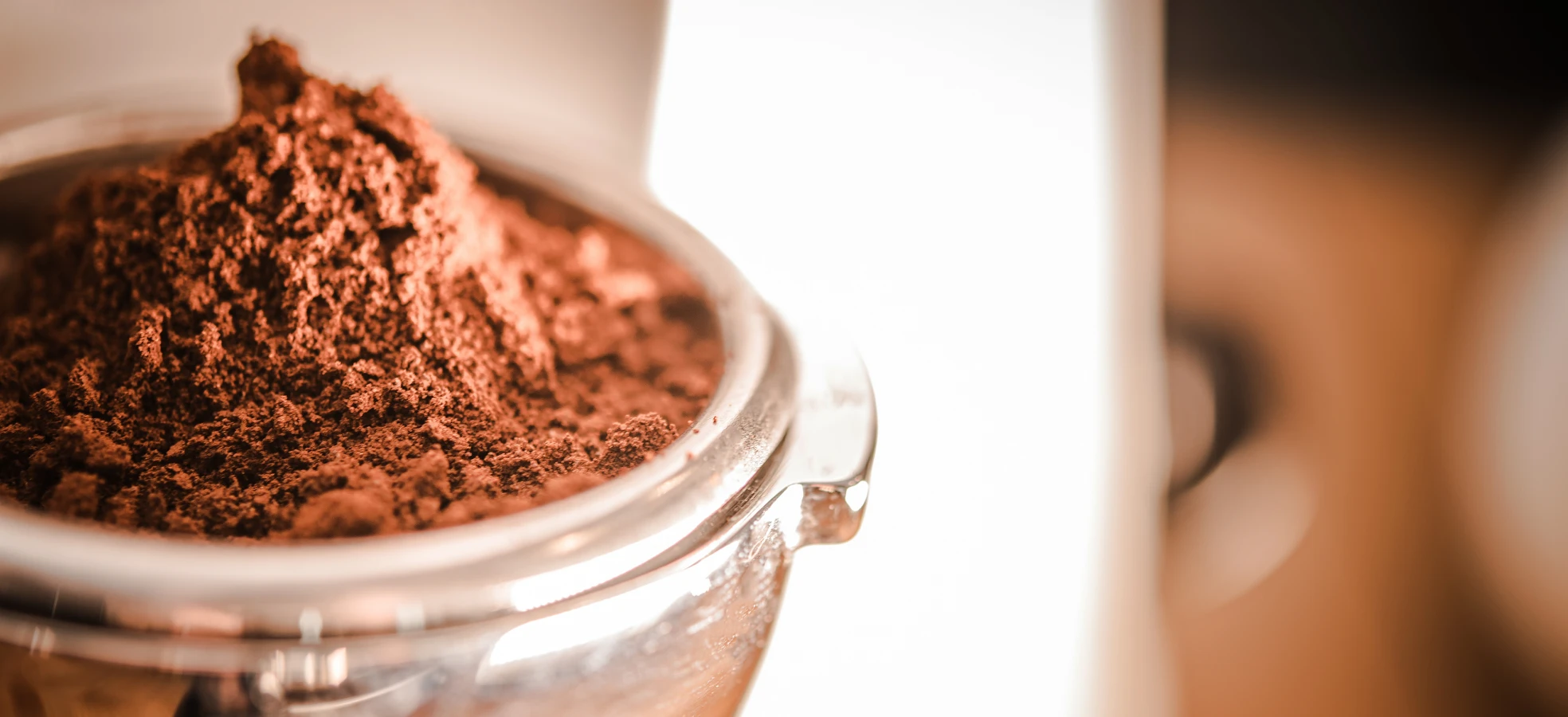
Finer grinds expose more surface area, allowing faster extraction. Coarser grinds slow the extraction process.
Each brewing method is designed to work best with a specific extraction speed, which is why grind size matters.
Extra Coarse Grind
Extra coarse coffee grounds resemble large sea salt.
This grind size is commonly used for:
- cold brew
- long immersion brewing
Because these methods use very long brewing times, the larger grind prevents over-extraction and bitterness.
Coarse Grind
Coarse grinds have a texture similar to rough kosher salt.
This grind size works best for:
- French press
- percolators
- some immersion brewing methods
The larger particles allow water to interact with the coffee gradually during longer brewing cycles.
Medium Grind
Medium grind resembles regular sand.
This is one of the most common grind sizes and works well for:
- drip coffee makers
- automatic brewers
- some pour-over methods
Many pre-ground coffees use this grind size because it works reasonably well across several brewing styles.
Medium-Fine Grind
Medium-fine grind sits between drip and espresso.
This grind is often used for:
- pour-over brewing
- Chemex
- cone-style brewers
It provides a balanced extraction when water flows through the coffee slowly.
Fine Grind
Fine grind has a texture similar to table salt or powdered sugar.
This grind is ideal for:
- espresso machines
- stovetop moka pots
Because espresso uses high pressure and short brewing time, fine grounds allow fast extraction.
Choosing the Right Grind for Your Method
Matching grind size to brewing method ensures proper extraction.
When the grind is too coarse for the method, coffee may taste weak or sour.
When the grind is too fine, coffee can taste overly bitter or harsh.
Small adjustments to grind size can dramatically improve the final cup.
Fresh Grinding Makes a Difference
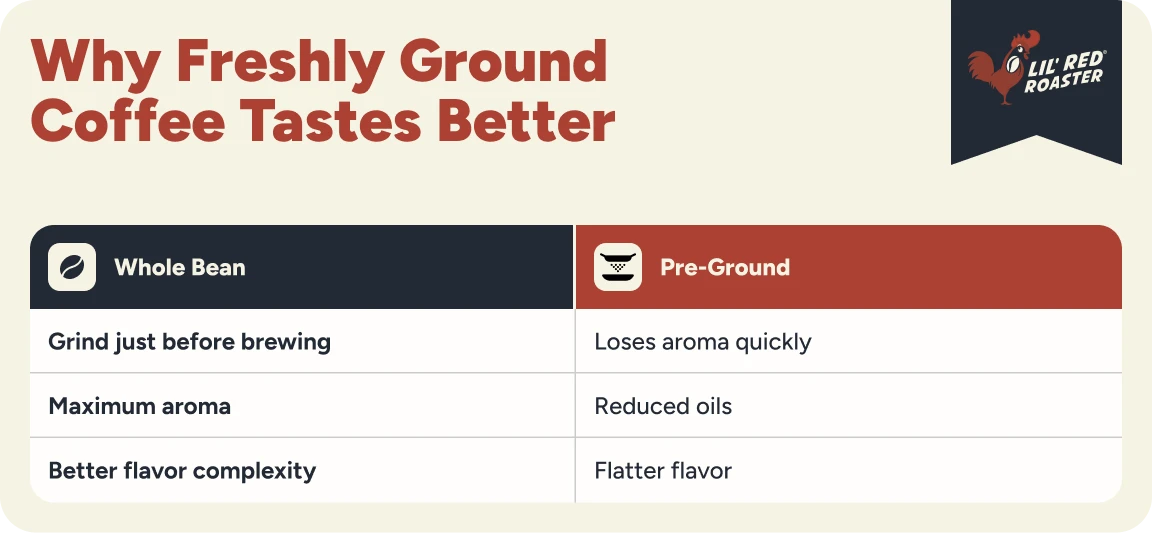
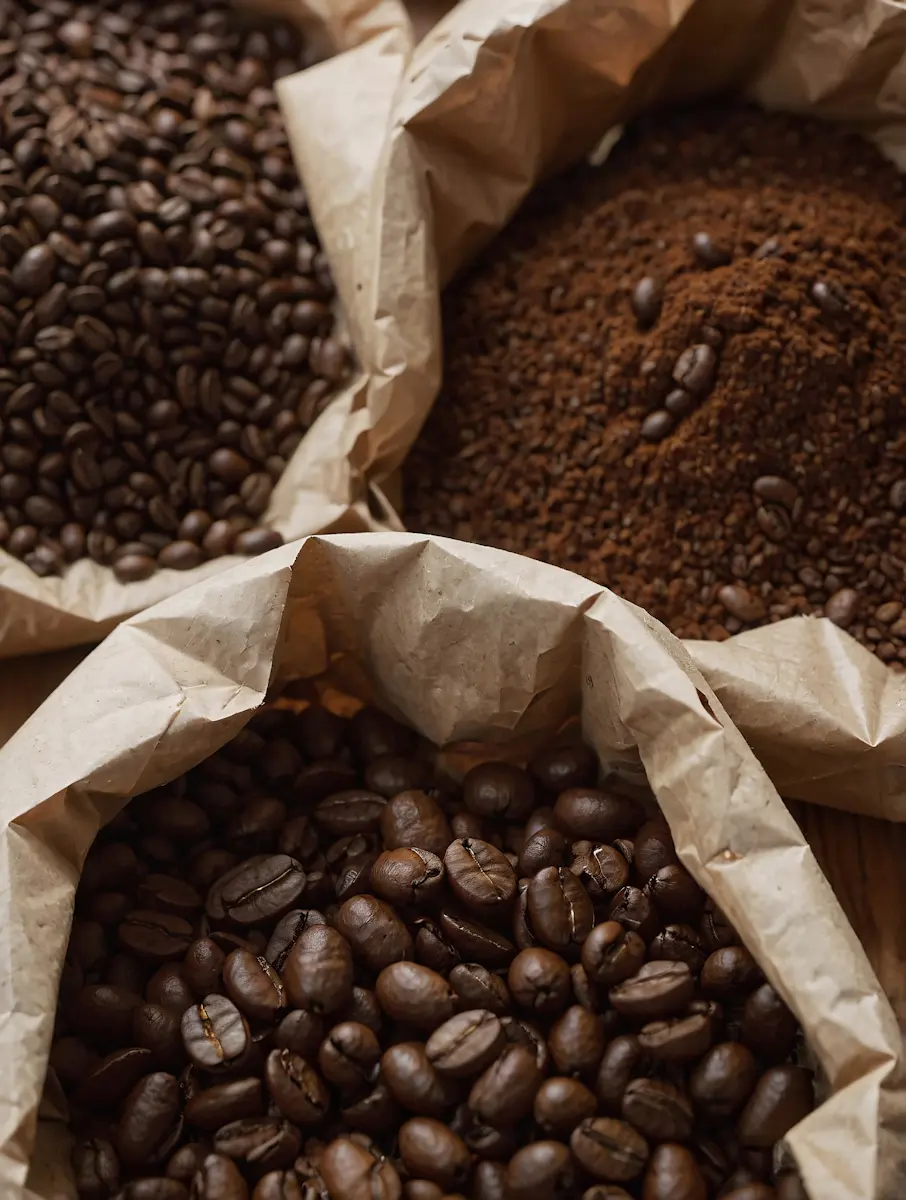
Coffee begins losing aromatic compounds once it is ground.
Grinding coffee immediately before brewing helps preserve:
- aroma
- flavor complexity
- natural oils
Whole bean coffee allows more control over grind size and freshness.
Grind size plays a major role in how coffee tastes. By matching the grind size to the brewing method, coffee drinkers can improve balance, aroma, and overall flavor.
Small changes in grind size often produce the most noticeable improvements in a cup of coffee.